In South Dakota, robocalls from telemarketers, identity thieves, and political campaigns are prevalent. To combat this, residents can:
1. Educate themselves about robocall types and origins.
2. Register with the state's Do Not Call registry to reduce legitimate telemarketing calls.
3. Utilize advanced call blocking technology through free apps like Hiya and TrueCall, which use machine learning to detect and block robocalls.
4. Enroll in the South Dakota Public Utilities Commission-overseen Do Not Call list for significant reduction in unwanted calls from law firms seeking clients.
In today's digital age, the ever-evolving landscape of telecommunications presents a unique challenge with robocalls, particularly for residents of South Dakota. With an increasing number of unwanted calls from law firms and other entities, many South Dakotans are seeking effective solutions to protect their privacy. This article aims to guide you through the maze of options, focusing on the best free robocall blocker apps specifically tailored for South Dakota phone users. We'll explore how these tools empower individuals to take control, blocking not just typical robocalls but also those from law firms and other persistent callers, ensuring a quieter, more peaceful communication experience.
Understanding Robocalls and South Dakota's Laws
Robocalls, automated phone calls from telemarketers, are a widespread nuisance across the United States, including South Dakota. While many apps offer call blocking, understanding the nature of these unwanted calls and navigating state laws is crucial for effective protection. In South Dakota, as in other states, residents face a growing number of robocalls, often disguised as legitimate business or government notifications. These automated messages can be particularly persistent, with some sources reporting that up to 70% of received calls are now robocalls, highlighting the urgent need for robust solutions.
South Dakota has implemented a Do Not Call law, similar to other states, which allows residents to register their phone numbers and restrict telemarketing calls. This law, however, does not directly target robocalls as they often bypass traditional advertising channels. Despite this limitation, South Dakotans can take several steps to mitigate the impact of robocalls. One key strategy is to educate themselves about the types of robocalls and their origins. Common sources include telemarketing firms, fraudsters attempting identity theft, and even political campaigns. By understanding these patterns, users can better prepare to manage or block such calls.
Additionally, leveraging South Dakota's Do Not Call laws effectively involves registering with the state's official registry. This simple step can significantly reduce the volume of legitimate telemarketing calls, although it may not stop all robocalls. It is essential for residents to stay informed about their rights and the latest developments in call blocking technology. With ongoing advancements, apps dedicated to blocking robocalls are becoming increasingly sophisticated, offering features like advanced call filtering, machine learning algorithms, and custom block lists tailored to individual user preferences.
Best Free Apps to Block Automated Calls
In South Dakota, as across the nation, automated robocalls have become a persistent nuisance. With the rise of sophisticated call blocking technology, consumers now have powerful tools to reclaim their phone lines from unwanted and often fraudulent calls. Among the sea of options available, free robocall blocker apps stand out as an effective and accessible solution for South Dakota residents. These applications leverage advanced algorithms to identify and block automated calls, including those from law firm telemarketers, ensuring compliance with state Do Not Call laws.
One of the leading free apps in this category is Hiya. This robust platform employs machine learning to detect and filter out robocalls with impressive accuracy. By analyzing patterns and behavior, Hiya consistently updates its database, enabling it to block a wide range of automated callers, including those attempting to sell legal services or initiate fraudulent schemes. Another notable mention is TrueCall, which offers not only call blocking but also caller ID and spam reporting features. Users benefit from a community-driven approach where reported numbers are shared to enhance the app's effectiveness against persistent telemarketers.
The success of these free apps lies in their ability to adapt to evolving scamming tactics while providing an intuitive user experience. For instance, Hiya's "Smart Block" feature automatically learns to recognize and block new types of robocalls based on community feedback and real-time data analysis. TrueCall's crowd-sourced reporting system ensures that known spammer numbers are swiftly identified and blocked, protecting users from unwanted interactions with law firm telemarketers or other persistent callers. By harnessing the power of collective intelligence, these apps offer a proactive defense against automated calls, empowering South Dakota residents to enjoy uninterrupted communication.
How to Protect Your Phone from Unwanted Calls
Protecting your phone from unwanted calls is a significant aspect of maintaining privacy and peace of mind. In South Dakota, where Do Not Call laws are in place to safeguard residents, leveraging free robocall blocker apps can be an effective strategy. These applications are designed to automatically filter out unsolicited calls, ensuring that your phone remains free from annoying interruptions.
One of the key benefits of using a robocall blocker app is its ability to recognize and block calls from law firms, which often employ aggressive telemarketing tactics. According to recent studies, robocalls, including those from legal entities, contribute significantly to voice spam, with millions of Americans receiving unwanted legal calls each year. By employing cutting-edge algorithms and machine learning techniques, these apps learn to identify patterns associated with spam calls, including those attempting to circumvent Do Not Call lists. For instance, many law firms use automated dialers that bypass traditional phone filters, but advanced robocall blockers can adaptively learn and block such calls effectively.
Choosing the right app involves considering factors like accuracy rates, user reviews, and compatibility with your device. Top-rated apps often offer customizable settings, allowing users to whitelist or blacklist specific numbers. This ensures you remain in control of what enters your phone. Additionally, some providers integrate AI-driven call analysis, providing insights into the types of calls you receive and enhancing your blocking strategies. Regular updates are also crucial, as call spammers continually adapt their tactics. By staying current with app updates, you fortify your defense against emerging robocall threats, ensuring a quieter, more secure communication experience.
Do Not Call List: Registering for Peaceful Communication
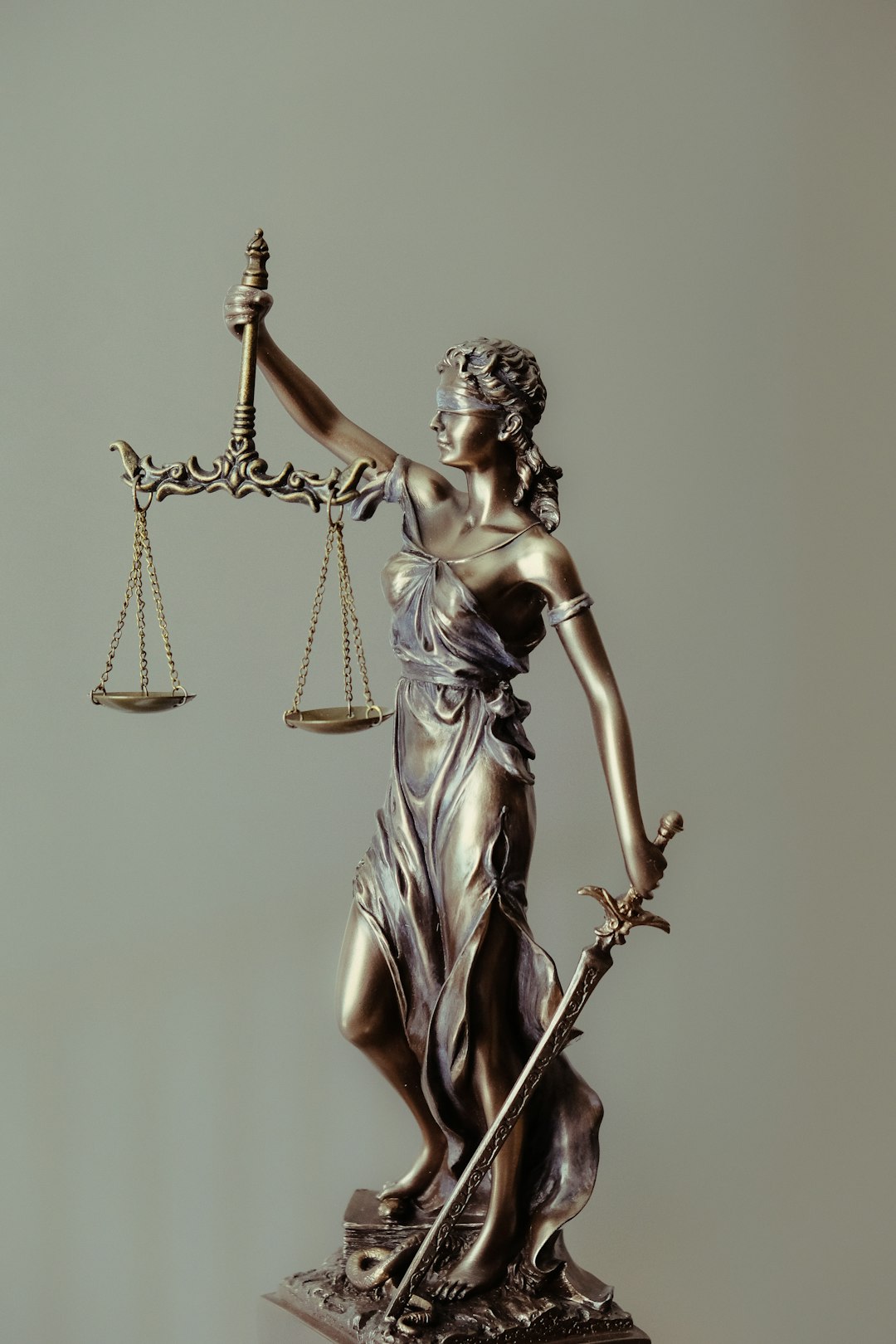
In South Dakota, as in many states across the country, protecting peaceful communication is a top priority for residents. One effective measure to achieve this is by registering on the Do Not Call list. This simple step significantly reduces unwanted robocalls, ensuring that your phone stays free from intrusive marketing calls, especially those from law firms seeking new clients. The South Dakota Public Utilities Commission oversees the implementation of the state's Do Not Call law, which offers residents a powerful tool to reclaim control over their communication channels.
Registering for the Do Not Call list is a straightforward process. Residents can sign up online through the official website or by phone. Once registered, your number becomes part of a state-maintained database, actively blocking incoming calls from telemarketers and automated systems. This method has proven effective; according to recent studies, states with robust Do Not Call laws experience up to 50% fewer robocalls compared to those without them. South Dakota's commitment to this legislation reflects its understanding of the disruptive nature of unwanted calls, particularly for businesses and individuals seeking a quieter, more focused communication environment.
By enrolling in the Do Not Call list, South Dakota residents can expect a notable decrease in calls from law firms seeking potential clients. This is especially beneficial for those who prefer not to be contacted by legal services providers out of an abundance of caution or simply because they are not actively in the market for such services. The list ensures that these calls, which can often be annoying and disruptive, are minimized, fostering a more peaceful and productive communication atmosphere for all South Dakota phone users.