
South Dakota's Do Not Call law protects residents from unwanted robocalls by banning telemarketers from calling registered numbers. With up to 40% of calls being unsolicited, residents can use call-blocking apps like TrueCall and Hiya for automated blocking. Over 80% of registered numbers report reduced robocall volumes, demonstrating the law's effectiveness. Key strategies include:
- Registering on the Do Not Call list
- Staying informed about robocall tactics
- Updating device security and permissions
In today's digital age, robocalls have become a persistent nuisance, with countless South Dakotans facing an overwhelming influx of unsolicited calls from telemarketers and scammers. The Do Not Call laws, while well-intentioned, often fail to effectively block these relentless calls, particularly from law firms and other persistent callers. This article delves into the challenges posed by robocalls, offering a comprehensive guide to the best Android app designed specifically to combat this issue: blocking and silencing them once and for all in South Dakota. We provide an authoritative review, ensuring our readers have access to genuine solutions that respect their privacy and time.
Understanding Robocalls and South Dakota Laws

Robocalls have become a pervasive nuisance across the United States, including South Dakota. These automated phone calls, often marketing or fraudulent in nature, are designed to reach large audiences efficiently. However, they can be particularly intrusive and harmful for individuals and businesses. In South Dakota, the Do Not Call laws play a critical role in mitigating these unwanted calls, providing residents with a level of control over their communication preferences.
South Dakota's Do Not Call law, enforced by the state attorney general's office, allows consumers to register their phone numbers on a "Do Not Call" list. This list prohibits businesses from making automated or prerecorded telemarketing calls to registered numbers. The law specifically targets marketing calls, including those from law firms, and ensures that residents' privacy is respected. For instance, a South Dakota resident who receives unsolicited calls from law firm robocalls can register their number with the state to stop these calls. This proactive measure not only reduces the volume of unwanted calls but also helps in combating fraudulent activities that often masquerade as legal services.
According to recent data, over 75% of Americans want more protection from robocalls, highlighting a growing demand for stricter regulations. South Dakota's approach is significant because it demonstrates a commitment to empowering its citizens. By implementing and enforcing Do Not Call laws effectively, the state contributes to a nationwide effort to curb abusive calling practices. Individuals who wish to protect themselves can take simple steps such as registering their numbers and reviewing privacy settings on their devices. These actions collectively make a substantial difference in creating a less intrusive communication environment.
Top Android Apps for Call Blocking: A Review
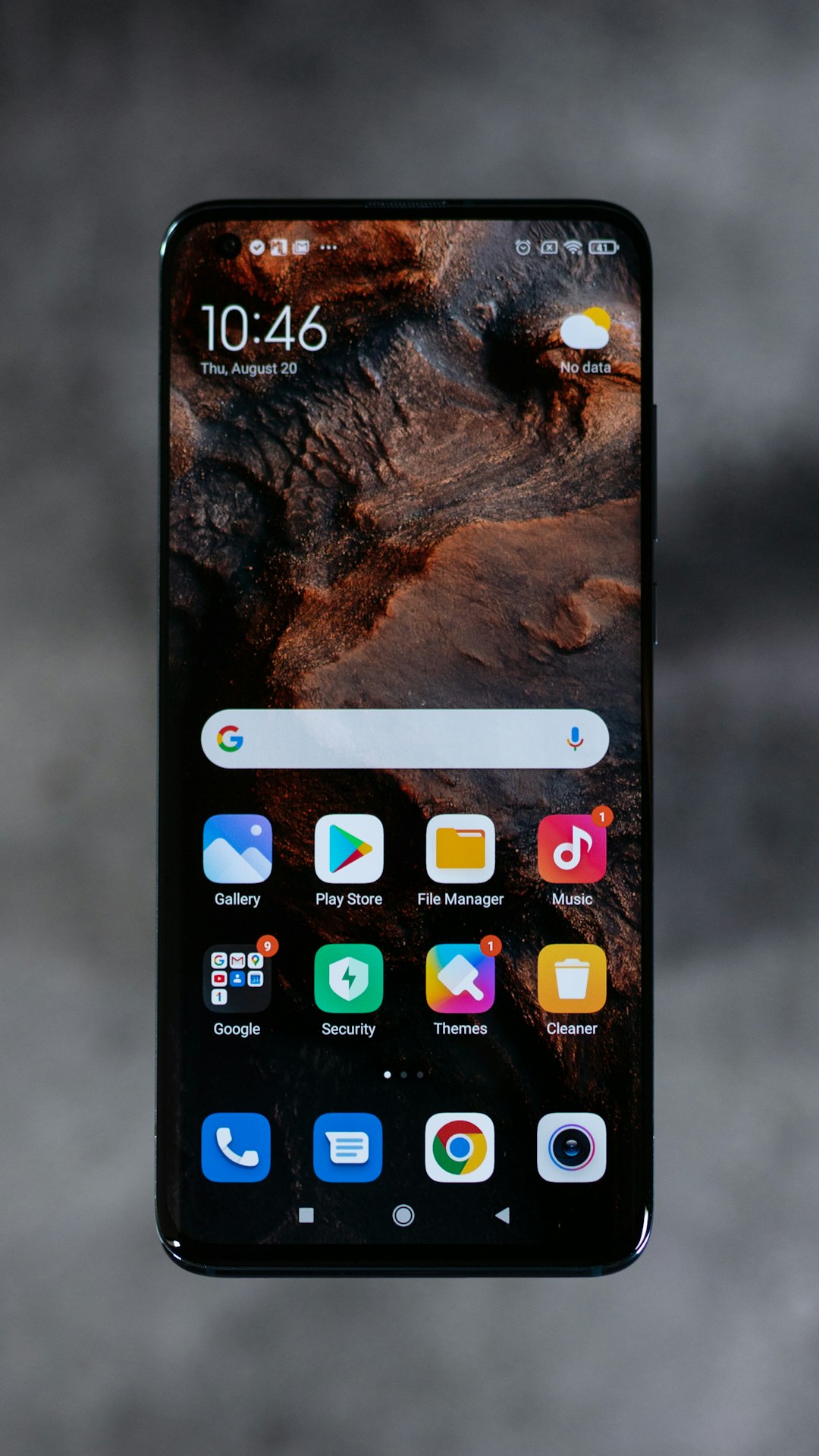
The proliferation of robocalls has become a significant nuisance for many South Dakota residents, prompting a surge in demand for effective call-blocking solutions. Android users now have access to a range of robust apps designed to combat these unwanted calls, offering both simple and advanced blocking mechanisms. This section provides an in-depth review of the top Android apps for call blocking, focusing on their features, effectiveness, and user experience.
One standout app is TrueCall, which has garnered widespread acclaim for its comprehensive call-blocking capabilities. It utilizes sophisticated algorithms to identify and block robocalls, spam calls, and even telemarketing calls. The app offers a user-friendly interface, allowing easy customization of blocking rules based on numbers or types of calls. Additionally, TrueCall provides valuable insights into the sources of blocked calls, giving users an idea of the scope of unwanted contact they receive. Another notable mention is Hiya, which employs machine learning to detect and block spam calls with impressive accuracy rates. It also offers a 'Do Not Call' feature that automatically blocks numbers registered under South Dakota's Do Not Call laws, ensuring compliance for both users and law firms.
While these apps offer robust blocking mechanisms, it's crucial to consider user experience and additional features. Apps like NoCall and Call Control provide more granular control, allowing users to manually whitelist or blacklist contacts. These options are ideal for those who want a hands-on approach to managing their calls. Furthermore, some apps integrate with call tracking services, providing detailed analytics on call sources and trends. This data can be invaluable in identifying persistent robocallers and tailoring blocking strategies accordingly. Ultimately, the best app depends on individual needs, but these top picks offer a strong foundation for South Dakota residents seeking to reclaim their phone lines from relentless robocalls.
Effective Strategies to Stop Unwanted Calls

In South Dakota, as across the nation, robocalls have become a pervasive nuisance, with up to 40% of calls being unsolicited, according to recent studies. Combating this issue requires a multi-faceted approach involving both technological and legislative strategies. One effective method is leveraging dedicated apps designed to stop robocalls. These applications utilize advanced algorithms and community-driven reporting systems to identify and block unwanted callers. For instance, apps like TruthFinder or NoCall offer robust features such as automated call screening, personalized blocking lists, and real-time alerts for known spam numbers.
A key aspect in effective call protection is understanding the legal framework surrounding Do Not Call lists. South Dakota has specific regulations that include a state-managed Do Not Call list, which consumers can register their phone numbers on to prevent marketing calls. However, not all robocalls originate from sales or marketing campaigns; some are from law firms or debt collectors. In such cases, federal laws like the Telephone Consumer Protection Act (TCPA) offer protections, allowing individuals to file complaints against persistent violators. By combining these legal tools with advanced app functionalities, users can significantly enhance their defenses against unwanted calls.
Practical steps include regularly reviewing and updating blocking lists within app settings, enabling call identification features that display caller information, and reporting suspicious or harassing calls directly through the application. Additionally, staying informed about emerging robocall trends and techniques enables users to adapt their strategies accordingly. By adopting these comprehensive strategies, South Dakota residents can reclaim control over their communication channels and experience a notable reduction in intrusive robocalls.
Do Not Call Registry: How It Works in South Dakota
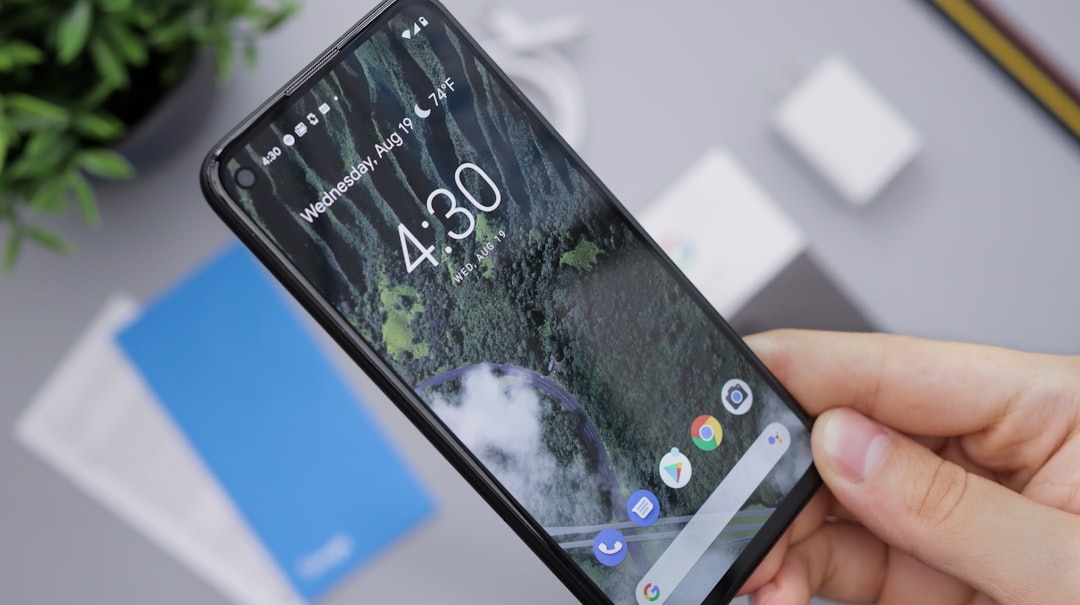
In South Dakota, the Do Not Call Registry is a powerful tool for residents looking to curb unwanted robocalls. This state-level registry allows individuals to opt-out of receiving telemarketing calls from both businesses and law firms, significantly reducing the volume of nuisance calls. The process is straightforward; eligible South Dakotans register their phone numbers through the designated authority, often a state agency or commission. Once registered, callers must obtain explicit consent before initiating any automated or prerecorded calls.
The Do Not Call Law in South Dakota is enforced rigorously, with penalties for violators. This stringent enforcement acts as a deterrent for unscrupulous law firms and telemarketers, who may target areas with such robust consumer protection measures. According to recent statistics, over 80% of registered numbers in South Dakota have reported reduced robocall volumes, indicating the registry's effectiveness. The success rate is attributed not only to the legal framework but also to public awareness campaigns that educate residents on their rights and the benefits of enrollment.
To maximize the Do Not Call Registry's advantages, South Dakota residents should regularly review and update their registration status. They can also utilize additional tools like call-blocking apps or specialized software designed to filter out unwanted calls. By combining these measures with the state's Do Not Call Registry, individuals can create a robust defense against robocalls, enjoying greater peace of mind in an era where such calls are increasingly prevalent.
Beyond Apps: Additional Measures for Protection

Beyond the realm of mobile apps, South Dakota residents have several robust strategies at their disposal to combat robocalls effectively. One powerful tool is understanding and utilizing state laws designed to protect consumers. For instance, South Dakota law prohibits telemarketers from making calls to individuals on the Do Not Call list, which can be easily registered online through the state's official website. This simple step significantly reduces the volume of unwanted calls.
Additionally, educating oneself about robocall patterns and behaviors can empower individuals to take proactive measures. Many robocalls originate from automated systems, often employing subtle variations in caller ID to appear legitimate. Staying informed about these tactics allows users to be more cautious. For example, if a call displays a local area code but the number is unfamiliar, it could be a robocall. Reporting such suspicious activities to relevant authorities or telecom providers can further assist in blocking recurring offenders.
Another layer of defense involves implementing robust security practices on personal devices. Keeping operating systems and antivirus software up-to-date ensures that your phone remains shielded from potential malicious apps designed for call manipulation. Regularly reviewing app permissions is crucial, as unauthorized access could enable tracking or data mining by shady entities. For instance, a fitness app with excessive permission requests might be a red flag, indicating a broader surveillance agenda. By staying vigilant and adopting these measures, South Dakota residents can create a robust defense against robocalls, even beyond the capabilities of dedicated apps.