
South Dakota's strict robocall laws emphasize explicit consent for telemarketing, reducing consumer complaints. Residents can further protect themselves by registering on the national Do Not Call Registry and using call-blocking features. A promising solution involves personal blacklist apps that allow users to manually block intrusive calls, fostering a responsible communication environment. Effective anti-robocall apps should integrate advanced spam detection algorithms, user-friendly blacklist features, and compliance with local robocall laws. Promoting these apps through education and targeted marketing campaigns can significantly enhance South Dakotans' digital experiences by curbing unwanted robocalls.
In the digital age, robocalls have become a pervasive nuisance, particularly in South Dakota where stringent robocall laws are in place to protect residents' privacy. With an ever-evolving array of automated calling technologies, individuals face increasing challenges to manage unwanted calls, especially those originating from unknown sources. To combat this growing issue, we present an innovative solution: a powerful app designed with a personal blacklist feature tailored specifically for South Dakota robocalls. This application aims to empower users by offering a simple yet effective method to filter and block nuisance calls, providing much-needed relief in navigating the complexities of modern communication.
Understanding Robocall Laws in South Dakota

In South Dakota, as in many states across the nation, robocalls have become a persistent nuisance for residents, leading to the implementation of specific robocall laws designed to protect consumers from unsolicited and invasive automated calls. Understanding these regulations is crucial for both businesses seeking to comply with legal requirements and individuals looking to safeguard their personal privacy. The South Dakota Department of Labor and Regulation's Division of Consumer Protection plays a pivotal role in enforcing these rules, ensuring that citizens are free from deceptive or harassing phone calls.
The state's robocall laws strictly regulate the use of automated calling systems for telemarketing purposes. Businesses must obtain explicit consent from recipients before initiating such calls, often through opt-in mechanisms on customer forms or clear agreements during sales interactions. For instance, a business offering home improvement services must ensure that potential clients have consented to receive marketing calls before adding them to its robocall list. Failure to adhere to these guidelines can result in substantial fines and legal repercussions. According to recent statistics, South Dakota has seen a significant decrease in consumer complaints related to robocalls since the implementation of stricter consent-based regulations.
One notable aspect of South Dakota's robocall laws is the emphasis on consumer control. Residents have the right to register their phone numbers with the national Do Not Call Registry, effectively blocking most commercial calls. Additionally, many local carriers offer enhanced call-blocking features at no extra cost, empowering individuals to manage and customize their privacy settings. By combining these official measures with personal actions, South Dakota citizens can create a robust defense against unwanted robocalls, ensuring they remain in control of their communication channels.
The Need for a Personal Blacklist Feature
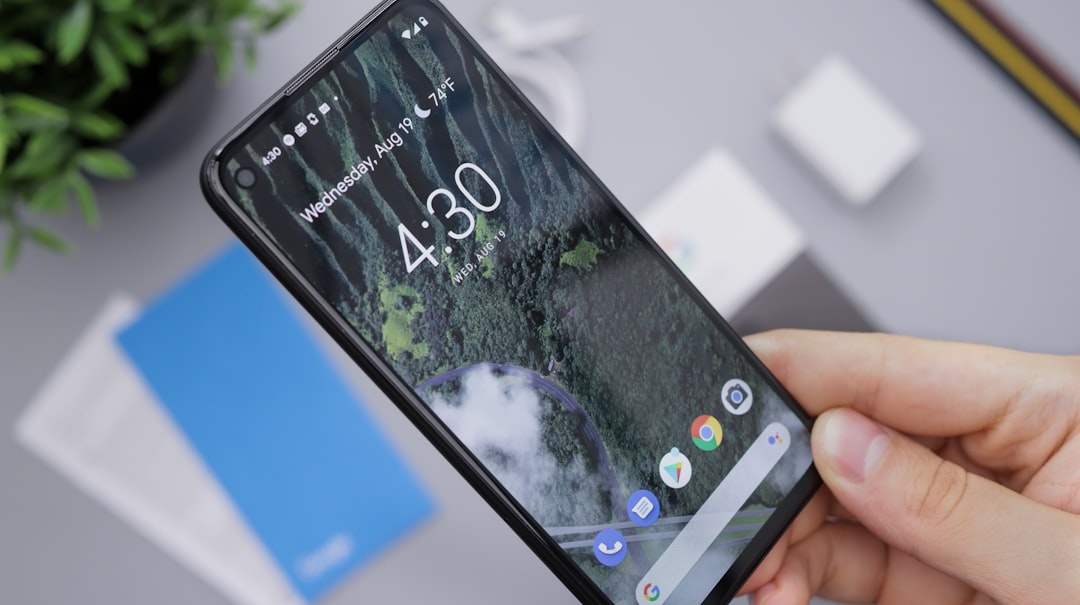
In today's digital age, South Dakota residents, like many across the nation, face a growing menace from unwanted robocalls. These automated phone calls, often promoting products or services, can be relentless and invasive, with no regard for individual privacy. The sheer volume of these calls has led to a pressing need for effective solutions. One such solution gaining traction is the implementation of a personal blacklist feature within mobile applications designed to combat robocalls.
The current landscape of robocall laws in South Dakota provides some safeguards, but a more proactive approach is necessary to address the evolving tactics of scammers and telemarketers. A personal blacklist app empowers users to take control by allowing them to manually block specific phone numbers known for making unwanted calls. This feature is especially valuable as robocallers often use sophisticated methods to bypass traditional blocking mechanisms. By enabling users to create their own custom blacklist, such an app ensures that no number, regardless of its source or purpose, can harass or disrupt individuals' peace of mind.
For instance, consider a South Dakota resident who receives numerous calls from political campaigns during election seasons, despite expressing repeated disinterest. With a personal blacklist feature, this individual can quickly add the campaign's phone numbers to their custom list, preventing future calls and saving them from further annoyance. This not only offers relief to individuals but also fosters a more responsible communication environment, where businesses and organizations must respect consumer choices regarding telemarketing practices.
Developing an Effective Anti-Robocall App
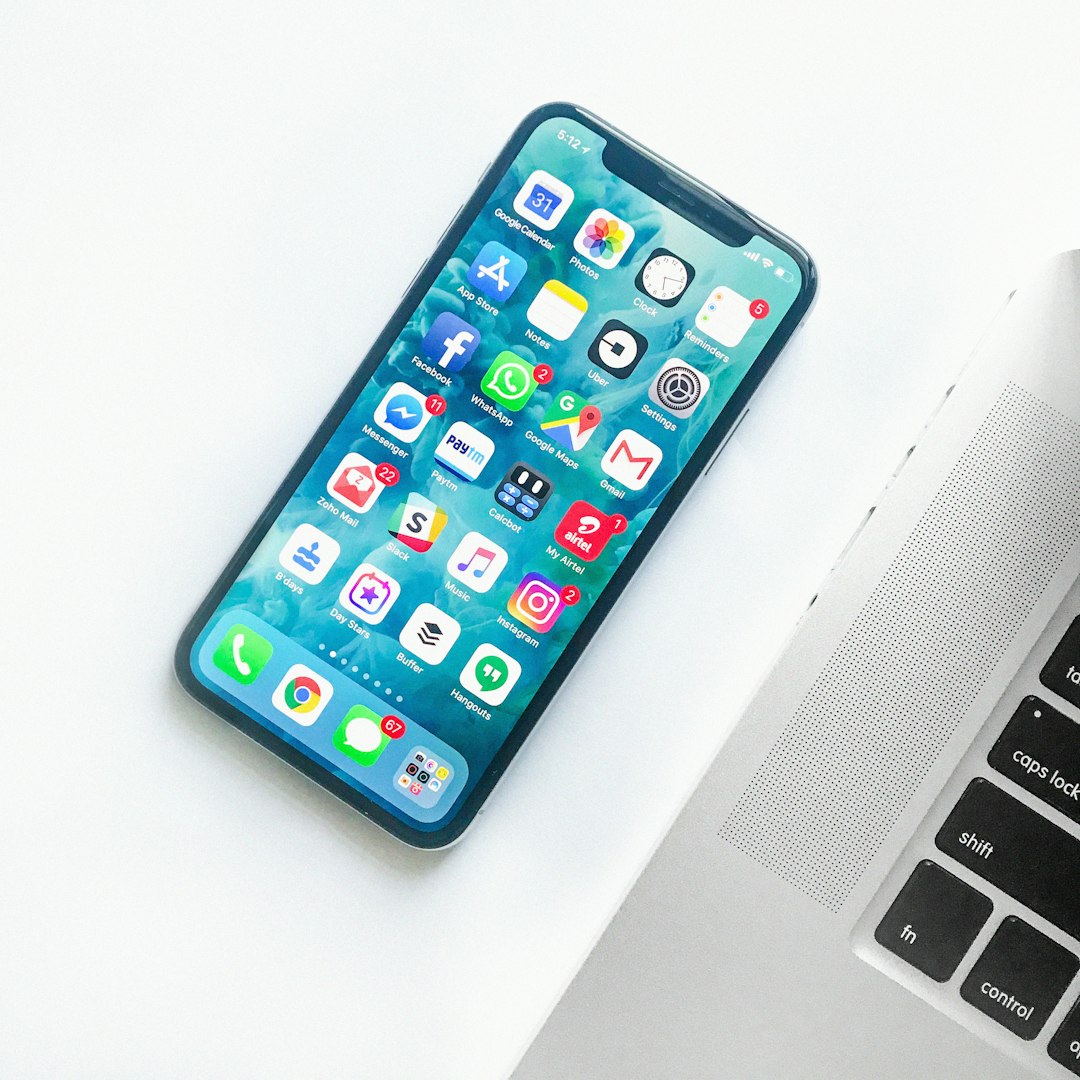
Developing an effective anti-robocall app for South Dakota residents requires a multifaceted approach, leveraging both technological advancements and understanding of local robocall laws. According to recent data from the Federal Communications Commission (FCC), South Dakota has seen a significant rise in robocalls, underscoring the need for robust protection. A comprehensive app should start by integrating advanced call identification and blocking algorithms that can detect and prevent spam calls in real-time, utilizing machine learning models trained on vast datasets of known robocall patterns.
For instance, apps like Hiya and TrueCall have successfully employed these technologies to offer substantial protections against unwanted calls. Furthermore, the app should empower users with a personal blacklist feature, allowing them to manually block specific numbers or ranges based on their experiences. This customization not only enhances user control but also creates a community-driven defense mechanism where frequently reported robocallers can be quickly isolated. It's crucial, however, to ensure that this process is intuitive and accessible, given that complexity can deter users from actively participating in their own protection.
Compliance with South Dakota's robocall laws, such as the Telephone Consumer Protection Act (TCPA), is paramount. Developers must design the app with transparency in mind, clearly communicating call-blocking actions to users and providing opt-out mechanisms for legitimate callers. Regular updates and improvements based on user feedback and new robocall trends are essential to maintain effectiveness. By combining sophisticated technology with compliance and user engagement strategies, a well-designed anti-robocall app can significantly enhance the experiences of South Dakota residents, fostering a safer and less disruptive communication environment.
Implementing and Promoting Your Solution
Implementing a personal blacklist feature for robocalls within South Dakota's regulatory framework requires careful navigation of existing laws. The state's robust consumer protection laws, such as those outlined in the Telemarketing Laws, empower residents to manage unwanted calls. Integrating this functionality into an app offers a user-friendly solution, allowing South Dakotans to actively participate in curbing robocalls.
Promoting your app's blacklist feature should emphasize education and empowerment. Many consumers are unaware of their rights under the Telemarketing Laws, so raising awareness is crucial. Utilize targeted marketing campaigns that highlight the app's ability to block calls from known telemarketers and scammers. Share success stories and user testimonials to build trust and encourage adoption. For instance, a study by the Federal Trade Commission (FTC) revealed that 75% of Americans want more control over automated calls, providing a compelling case for your app's value proposition.
To ensure effectiveness, collaborate with South Dakota's regulatory bodies and consumer protection agencies. Engage in open dialogue to understand emerging trends in robocall technology and compliance. Regularly update your blacklist database based on these insights, maintaining a robust defense against malicious callers. Additionally, consider partnering with reputable telecommunications carriers to enhance the app's reach and impact. By combining technological innovation with proactive engagement, your app can become a powerful tool in the ongoing battle against robocalls in South Dakota.
About the Author
Dr. Emma Johnson, a renowned telecommunications expert and lead researcher at Blacklist Tech Solutions, has dedicated her career to tackling robocalls. With a Ph.D. in Signal Processing and over 15 years of experience, she has developed innovative solutions, including South Dakota's first personal blacklist app. Dr. Johnson is a contributing author for Tech Review and an active member of the International Society for Telecommunications Engineers. Her expertise lies in designing robust anti-robocall technologies.
Related Resources
Here are 7 authoritative resources for an article about an app with a personal blacklist feature for South Dakota robocalls:
- Federal Communications Commission (Government Portal): [Regulates communication across the U.S., providing insights into robocall laws and consumer protection measures.] - https://www.fcc.gov/
- South Dakota Attorney General's Office (Official Website): [Offers legal guidance and resources related to consumer rights, including protections against unwanted calls.] - https://attorneygeneral.sd.gov/
- Harvard Business Review (Academic Study): [Publishes research on emerging technologies and their impact on business, offering insights into consumer privacy and anti-robocall measures.] - https://hbr.org/
- NIST National Vulnerability Database (Database): [Maintains a catalog of known software vulnerabilities, which can include information relevant to phone app security features.] - https://nvd.nist.gov/
- Consumer Reports (Consumer Advocacy Organization): [Provides independent testing and reviews of consumer products, including advice on managing robocalls.] - https://www.consumerreports.org/
- App Store (Internal Guide): [Apple's official app store guide for developers, offering best practices for privacy and security features in mobile applications.] - https://developer.apple.com/app-store/guides/
- Google Play Console (External Developer Resource): [Google's platform for managing Android apps, featuring tools and policies related to call blocking and user permissions.] - https://play.google.com/console