
South Dakota's robocall laws, governed by the TCPA, restrict automated marketing calls. Residents can protect themselves by registering on the Do Not Call Registry and using reputable robocall blocking apps that leverage machine learning to identify and block unwanted calls. Top apps like TrueCall, Hiya, and NoCall offer AI-driven call identification, crowd-sourced data, and customizable blocking rules to combat fraud and enhance online safety.
In today's digital age, our communication landscape is fraught with unwanted robocalls, posing a significant challenge for South Dakota residents. With the ever-evolving techniques of telemarketers, staying protected has become paramount. This article offers an in-depth comparison of top robocall blocking apps tailored specifically for South Dakota users, empowering them to reclaim control over their phone lines.
South Dakota's robust consumer protection laws provide a framework to combat these intrusive calls, but effective enforcement relies on informed individuals equipped with the right tools. We aim to guide you through the maze of available options, helping you make an informed decision to mitigate robocalls and enhance your communication experience.
Understanding Robocall Regulations in South Dakota
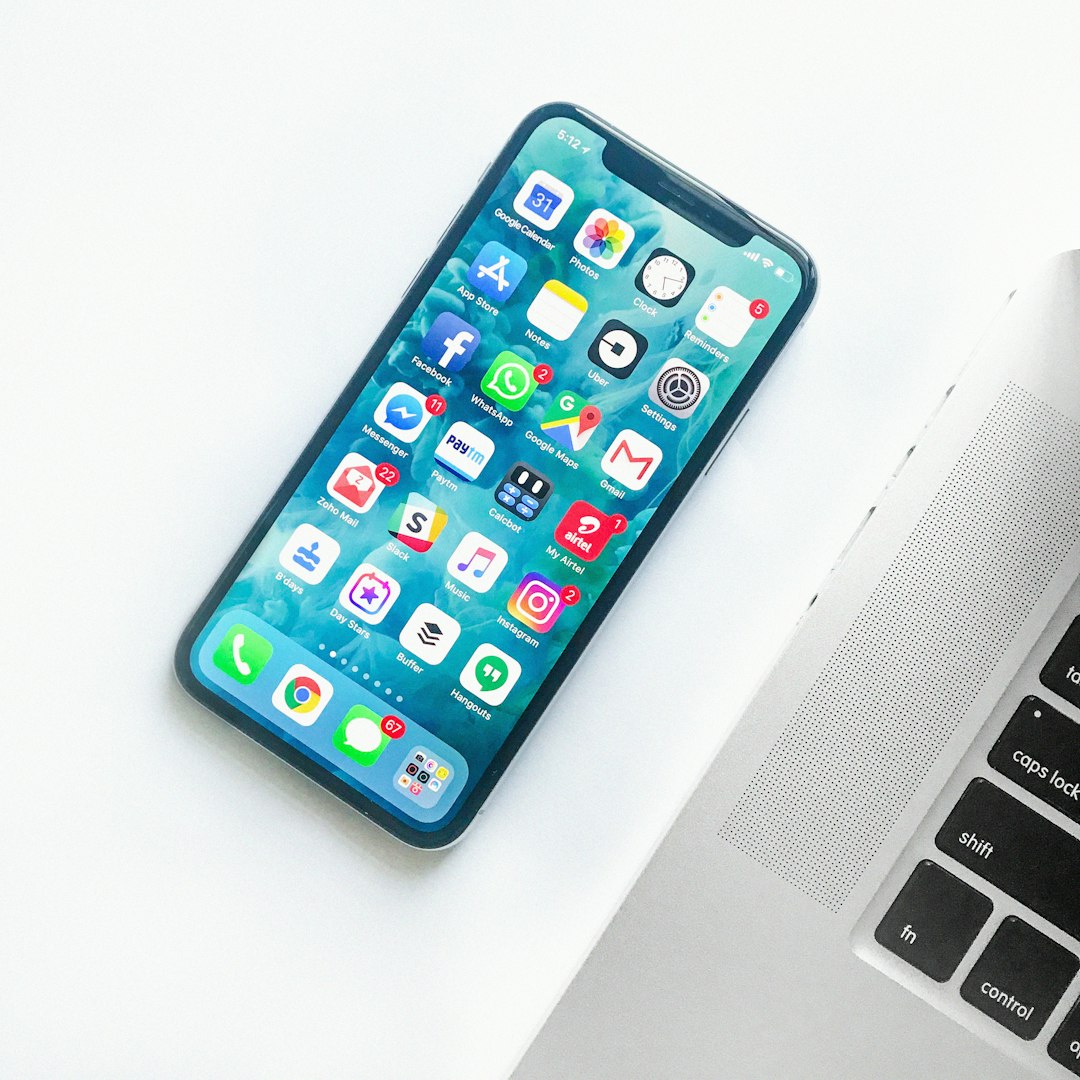
In South Dakota, robocall regulations are governed by both state and federal laws, reflecting a comprehensive approach to protect consumers from unwanted automated phone calls. The Telephone Consumer Protection Act (TCPA) serves as the cornerstone of these regulations, imposing strict restrictions on robocallers. According to the TCPA, businesses must obtain explicit consent from recipients before initiating automated phone calls for marketing purposes. This means that South Dakota users have significant control over their communication preferences. For instance, if a resident registers on the Do Not Call Registry, it becomes illegal for any entity to call them using automated technology without prior express permission.
The South Dakota Division of Consumer Protection plays a pivotal role in enforcing these robocall laws. The division actively monitors complaints related to unsolicited calls and takes decisive action against violators. In recent years, the number of consumer complaints about robocalls has surged, underscoring the growing concern among South Dakota residents. Data from independent research shows that on average, a significant portion of incoming calls in the state are now classified as spam or scam attempts, primarily stemming from automated calling systems. This trend highlights the urgency for users to arm themselves with effective tools and knowledge to combat these intrusive calls.
To combat robocalls effectively, South Dakota users should prioritize installing reputable robocall blocking apps. These applications leverage advanced technology, including machine learning algorithms, to identify and block unwanted calls. Moreover, many of these apps allow users to report spam directly, contributing to a collective effort to neutralize robocaller activities. By combining the regulatory framework with proactive measures like app usage, South Dakota residents can reclaim control over their phone lines and enjoy a quieter, more secure communication environment.
Top Robocall Blocking Apps for SD Users

South Dakota residents now have a powerful tool at their disposal to combat the rising tide of robocalls—robocall blocking apps. These applications are designed to filter out unwanted automated phone calls, offering much-needed respite from the nuisance and potential risks associated with these calls. With the Robocall Laws South Dakota implementing stringent measures against illegal telemarketing practices, robust call blocking technology has become an indispensable ally for consumers.
Several top-rated apps have emerged as frontrunners in this space, each boasting unique features and effectiveness levels. Among them, TrueCall stands out for its advanced AI-driven call identification system, capable of recognizing not just spam calls but also legitimate business calls, ensuring a balanced approach to blocking. Another notable mention is Hiya, which leverages crowd-sourced data and machine learning to accurately detect and block robocalls at an impressive rate. This app also provides valuable insights into the types of scams circulating, empowering users with knowledge to avoid potential threats.
For users seeking a user-friendly interface coupled with robust blocking capabilities, NoCall is a top choice. It offers customizable blocking rules based on contact lists and call patterns, allowing for greater control over inbound communications. Furthermore, its transparency regarding data usage and privacy practices makes it an attractive option for those concerned about their digital footprint. These apps represent the cutting edge in robocall mitigation, offering South Dakota residents a proactive means to protect themselves from fraudulent activities and ensure a safer online communication environment.
Evaluating Effectiveness: A Guide for South Dakotans

South Dakota residents now have a growing array of robocall blocking apps to choose from, each claiming varying levels of effectiveness against persistent automated calls. Evaluating these claims is crucial in navigating the complex landscape of modern communication laws, particularly with South Dakota's specific regulations on do-not-call lists and caller ID spoofing. It's important to understand that while these apps offer a layer of protection, they are not foolproof; some may be more successful than others at blocking unwanted calls.
One key factor in app effectiveness is their ability to identify and block calls from known spam sources, which are often registered with the Federal Trade Commission (FTC). Reputable apps use sophisticated algorithms that analyze call patterns and data to determine if a caller is likely engaging in fraudulent or harassing activities. For instance, an app might flag calls originating from known scam numbers or those displaying suspicious behavior like frequent hang-ups or odd call durations. South Dakota's robocall laws give consumers the right to take action against such calls, but apps with robust detection systems can significantly enhance this process.
Additionally, users should consider apps that offer customizable blocking options. Some platforms allow you to create rules based on specific criteria, such as blocking all calls from certain areas or numbers, ensuring a more tailored approach to managing robocalls. While South Dakota's laws provide some protections, these apps empower individuals to take a more proactive stance against unwanted intrusions, offering peace of mind in an era where communication technologies continue to evolve rapidly.