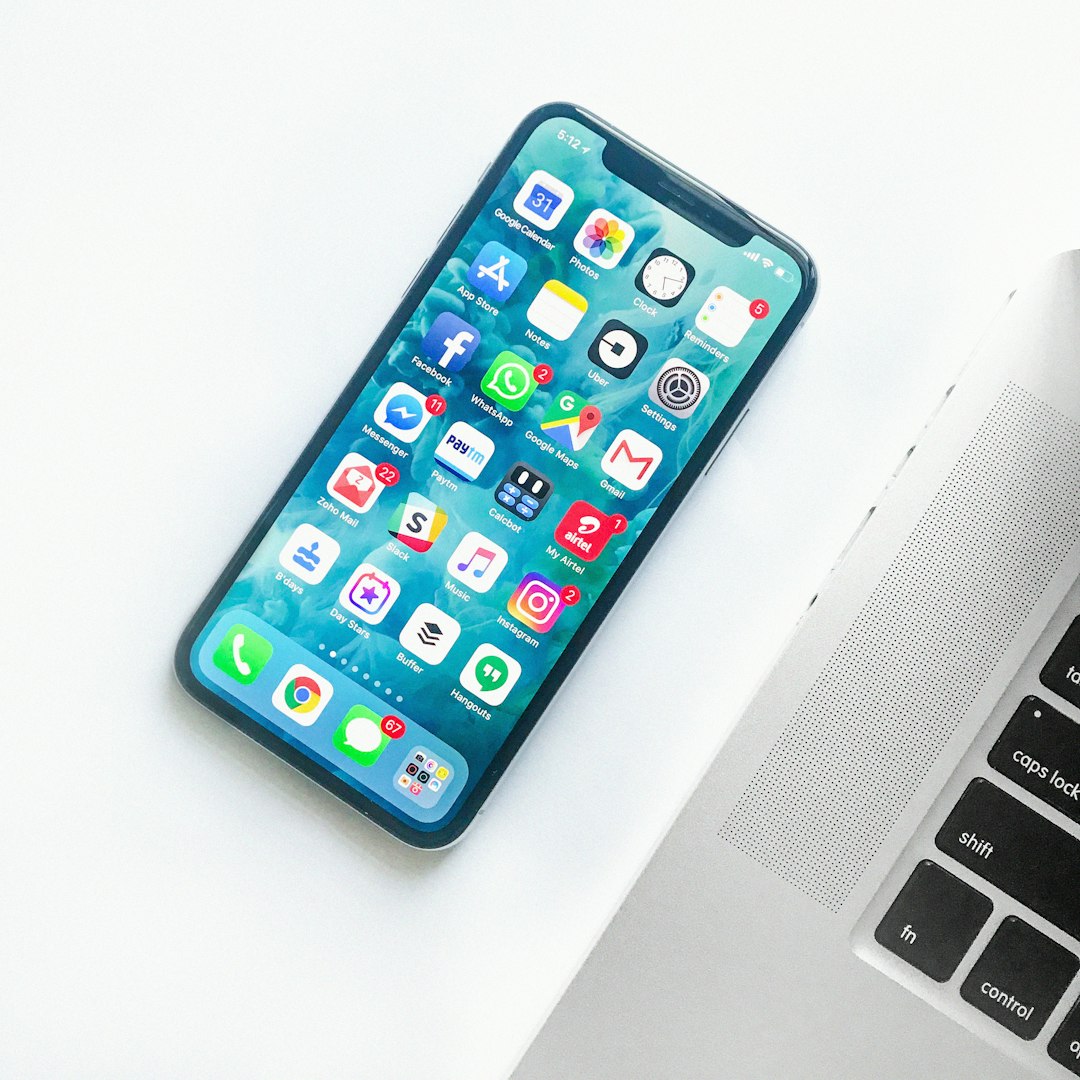
Best App to Stop Robocalls in South Dakota: An In-Depth Analysis
Introduction
In recent years, robocalls have become a persistent nuisance for consumers across the United States, with residents of South Dakota not being an exception. These automated, pre-recorded calls, often from scammers, telemarketers, or political organizations, have increasingly invaded personal phone lines, leading to significant annoyance and, in some cases, financial loss. The quest for a reliable solution has prompted the rise of various apps purporting to be the "best" at stopping robocalls in South Dakota. This article aims to demystify these claims by providing a comprehensive overview of the efficacy of such apps, their impact on consumers, and the broader implications for telecommunications and privacy.
Understanding Best App to Stop Robocalls in South Dakota
A "best app to stop robocalls in South Dakota" is a mobile application designed to detect, block, and report unwanted automated calls. These apps utilize a combination of technologies, including call authentication, blacklists, and machine learning algorithms to identify patterns indicative of robocalling activities. They often integrate with carrier networks to enforce blocking at the source. The concept gained traction as consumers sought more proactive measures against the influx of spam and scam calls, which according to the YouMail Robocall Index, reached 5.2 billion in March 2021 alone.
Global Impact and Trends
The issue of robocalls is not isolated to South Dakota or even the United States; it's a global problem. The prevalence of robocalls varies by region, influenced by factors such as local telecommunications infrastructure, consumer adoption of technology, and regulatory environments. For instance, countries with more sophisticated telecom networks may experience higher volumes of robocalls due to the availability of resources for automated calling systems. Conversely, regions with less stringent regulations on telemarketing and fraudulent calls are more susceptible to these intrusions.
Economic Considerations
The economic impact of robocalls is multifaceted. On one hand, they represent a significant cost for consumers in terms of time and potential financial loss due to scams. On the other hand, they present an opportunity for legitimate businesses and entrepreneurs who develop solutions like anti-robocall apps. These apps not only serve as a protective measure for consumers but also contribute to the broader economy by fostering a healthier telecommunications ecosystem and reducing losses from fraudulent activities.
Technological Advancements
The technology behind the best app to stop robocalls in South Dakota has evolved rapidly, leveraging advancements in artificial intelligence (AI), voice recognition, and network analysis. AI-driven algorithms can adapt to new scamming tactics, improving detection rates over time. Additionally, the integration of STIR/SHAKEN protocols, which authenticate call origination, has become a standard for carriers and apps aiming to combat robocalls effectively.
Policy and Regulation
Legislation such as the Telephone Consumer Protection Act (TCPA) and the TRACED Act provide a framework for combating unwanted calls. These laws set standards for telemarketers and establish penalties for violations. Moreover, the FCC has taken steps to encourage the implementation of the STIR/SHAKEN protocols across the industry. Anti-robocall apps must navigate this regulatory landscape while ensuring user privacy and data security.
Challenges and Criticisms
Despite their utility, anti-robocall apps face challenges such as evolving scam tactics, false positives that block legitimate calls, and the need for widespread adoption to be truly effective. Criticisms often center around user experience, accuracy of call classification, and the potential for misuse of personal data by these apps. Addressing these issues requires a concerted effort from app developers, telecom providers, and regulatory bodies to ensure that these solutions protect consumers without infringing on their rights or creating new vulnerabilities.
Case Studies
Several case studies illustrate the effectiveness of anti-robocall apps in South Dakota. For example, Nomorobo, one such app, has been praised for its robust call-blocking capabilities and its partnership with local telecom providers to enhance its services. Another case study involves YouMail, which has reported significant reductions in robocalls for users across the state. These examples underscore the potential of these apps to mitigate the impact of robocalls on consumers' lives.
Future Prospects
The future of anti-robocall apps is promising, with ongoing research into new technologies that could further enhance their effectiveness. The integration of advanced analytics and AI may lead to more sophisticated detection methods capable of adapting to new scamming techniques. Collaboration between app developers and telecom providers will likely continue to be a key factor in the fight against robocalls, with potential for new alliances and innovative solutions to emerge.
Conclusion
The best app to stop robocalls in South Dakota represents a significant advancement in the ongoing battle against unwanted automated calls. These apps not only offer immediate relief to consumers but also contribute to the broader conversation on telecom security, consumer protection, and privacy. As technology evolves and regulatory frameworks adapt, these solutions will play an increasingly important role in safeguarding communication channels for users across the state and beyond.
FAQs
-
What is a robocall?
A robocall is a pre-recorded telephone message played to multiple recipients simultaneously, often used for marketing, political messaging, or scams.
-
How do anti-robocall apps work?
Anti-robocall apps use various technologies such as call authentication, blacklists, and AI algorithms to detect, block, and report unwanted automated calls.
-
Are there any free anti-robocall apps available in South Dakota?
Yes, several apps offer free versions with the option to upgrade for additional features. Examples include Nomorobo and YouMail.
-
Do anti-robocall apps work on all phone types?
Most anti-robocall apps are designed to work on smartphones that have access to app stores, regardless of the carrier. However, some solutions require carrier integration for full functionality.
-
Can anti-robocall apps block international robocalls?
Yes, many anti-robocall apps can block international robocalls, especially those that partner with major telecom carriers to filter calls at the network level.
This article provides a comprehensive overview of the best app to stop robocalls in South Dakota, considering their impact on consumers, the economy, and the broader implications for society. As technology continues to advance and new challenges emerge, these apps will remain at the forefront of protecting individuals from the nuisance and potential harm of unwanted automated calls.
July 25, 2025
best app to stop robocalls South Dakota Expert
Robocalls are a prevalent issue in South Dakota, prompting residents to take action. The state's Telephone Consumer Protection Act (TCPA) regulates automated calls, and citizens can combat excessive unwanted calls through blocking apps, registering with Do Not Call lists, or seeking legal advic.......
Read more →
July 23, 2025
best app to stop robocalls South Dakota Expert
In response to the surge of robocalls and text spam in South Dakota, a specialized Spam Call law firm offers legal protections. Residents can combat unwanted telemarketing through blocking and reporting, while apps with advanced filtering provide additional security. These apps target gaps in tradit.......
Read more →
July 22, 2025
best app to stop robocalls South Dakota Expert
Robocalls are a growing problem in South Dakota, prompting residents to seek blocking solutions. While apps like Robocall Block and Call Blocker Pro offer help, choosing apps that adhere to state laws is essential. Consumer reviews play a vital role in guiding users towards effective apps while hold.......
Read more →
July 20, 2025
best app to stop robocalls South Dakota Expert
South Dakotans face a surge in robocalls, often leading to telemarketing scams and frustration. With legal protections from the TCPA and state enhancements, residents can take action against these calls, including seeking compensation for violations. Specialized apps using AI and machine learning of.......
Read more →
July 17, 2025
best app to stop robocalls South Dakota Expert
Robocalls have overwhelmed South Dakota residents with unsolicited sales pitches, mirroring a national trend. Despite Do Not Call laws, many automated calls fall outside protections, leaving citizens stressed and seeking relief. South Dakotans are adopting advanced robocall blocking technology and e.......
Read more →
June 19, 2025
best app to stop robocalls South Dakota Expert
Robocalls have become a significant issue for South Dakotans, with advanced technology making them hard to block. While the state has legal protections against deceptive practices, residents struggle to distinguish legitimate calls from attorneys and debt collectors from unsolicited messages. To com.......
Read more →
June 17, 2025
best app to stop robocalls South Dakota Expert
In South Dakota, robocalls and spam calls from unfamiliar numbers, including attorneys, have become a significant nuisance. Residents combat this issue by using robocall blocking apps that rely on regularly updated spam databases to recognize and block known spammers. These apps offer peace of mind,.......
Read more →
June 15, 2025
best app to stop robocalls South Dakota Expert
Robocalls have become a growing nuisance in South Dakota, with automated messages disrupting residents' lives and invading their privacy. Despite state laws, consumers still face persistent deceptive calls, leading many to seek lawyers for robocall laws in South Dakota to understand their right.......
Read more →
June 13, 2025
best app to stop robocalls South Dakota Expert
Robocalls are a growing problem in South Dakota, but residents have legal protections and tools available. The state follows federal guidelines from the Telephone Consumer Protection Act (TCPA), which prohibits automated calls without consent. Apps like CallGuard, TrueCall, and Hiya can block spam c.......
Read more →
June 11, 2025
best app to stop robocalls South Dakota Expert
Robocalls from law firms targeting South Dakotans with unpaid legal fees or debts have become a prevalent and intrusive issue, leading to increased demand for call-blocking apps. These apps offer personal blacklist features, empowering residents to reduce nuisance calls and protect themselves from f.......
Read more →