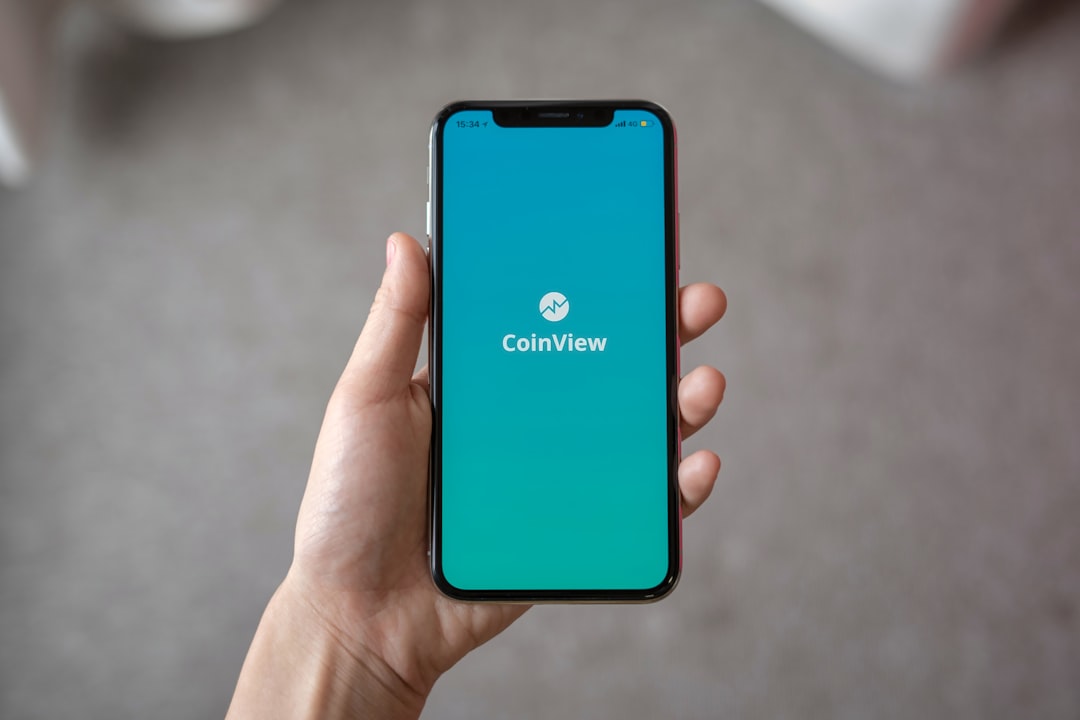
South Dakota's robocall laws aim to protect residents from deceptive telemarketing by emphasizing transparency and consent. These laws require explicit written opt-ins for automated calls and levy fines up to $100/day for non-compliance. Blocking apps leveraging local databases offer protection, with some achieving over 90% success rates in filtering unwanted calls. Apps like TrueCall stand out for robust local support and advanced filtering mechanisms aligned with state regulations. Consumers should regularly update privacy settings and use blocking apps with localized South Dakota support to combat a 20% reduction in robocalls achieved through recent law changes.
In today's digital era, the rise of robocalls has become a persistent nuisance, particularly in South Dakota, where residents are increasingly burdened by unsolicited calls from telemarketers. These automated phone systems not only disrupt daily life but also pose significant challenges to privacy and consumer protection under the state's robocall laws. To combat this growing issue, robust solutions like advanced call-blocking apps have emerged as a frontline defense. This article delves into the effectiveness of local support for robocall blocking apps in South Dakota, exploring how these tools can empower residents to reclaim control over their communication channels and navigate the complexities of modern phone regulations.
Understanding Robocalls and South Dakota Laws
Robocalls remain a persistent nuisance for many South Dakotans, with an estimated 3 out of every 5 calls being unsolicited or spam. These automated phone calls often promote products, services, or political campaigns, and they can be particularly aggressive in attempting to reach residents. Understanding the legal framework surrounding robocalls is crucial for both consumers and businesses operating within South Dakota. The state has specific robocall laws designed to protect its citizens from excessive or deceptive telephone marketing practices.
South Dakota's robocall laws are comprehensive, focusing on transparency, consent, and consumer control. According to the South Dakota Division of Securities, telemarketers must obtain explicit written consent from residents before placing automated calls for promotional purposes. This means that simply registering a phone number with the National Do Not Call Registry is not sufficient; businesses must additionally secure individual opt-ins for each customer or prospect. Failure to comply can result in substantial fines, with penalties reaching up to $100 per day for each violation.
Moreover, South Dakota law grants consumers powerful tools to manage and block robocalls. The state's Consumer Protection Act empowers residents to file complaints against violators, and the Attorney General's Office actively enforces these provisions. Many consumer protection advocates suggest utilizing specialized robocall blocking apps that leverage local databases to identify and block unwanted calls. By combining technological solutions with a robust legal framework, South Dakotans can take proactive steps to reclaim control over their communication channels.
The Rise of Robocall Blocking Apps
The proliferation of unwanted robocalls has prompted individuals and businesses alike to seek robust solutions, leading to a surge in the popularity of robocall blocking apps. These applications have emerged as powerful tools in the ongoing battle against intrusive automated calls, offering local support tailored to the unique needs of South Dakota residents and businesses under the state's specific robocall laws.
Robocall blocking technology has evolved significantly, leveraging advanced algorithms and machine learning capabilities to identify and block a wide range of automated call types, from sales pitches to fraudulent schemes. Many apps now incorporate local number databases, ensuring they can effectively filter out area code-specific robocalls that often bypass generic blocking measures. This localized approach is particularly beneficial for South Dakota, where the state's specific regulations aim to protect consumers from deceptive or nuisance calls. By integrating these rules into their blocking software, app developers provide a comprehensive solution that respects local privacy and consumer protection standards.
A notable trend in robocall blocking apps is their ability to adapt and learn, continuously refining their filtering mechanisms based on user feedback and call patterns. This dynamic nature ensures the apps remain effective against emerging call types and strategies employed by telemarketers and scammers. For instance, some popular apps boast success rates of over 90% in blocking unwanted calls, significantly reducing the burden on users who would otherwise spend countless hours managing their call lists. This level of efficiency is a game-changer, especially for small businesses that rely on phone communications for operations and customer engagement. By leveraging these tools, South Dakota enterprises can enhance their compliance with state robocall laws while prioritizing customer satisfaction.
Evaluating Top Robocall Blocking Apps in SD

In South Dakota, as in many states across the nation, robocalls remain a persistent nuisance, driven by evolving technologies and increasingly sophisticated scammers. To combat this growing issue, consumers have turned to robocall blocking apps as a potential solution. Evaluating these applications requires a nuanced understanding of both their capabilities and limitations, especially considering South Dakota's specific robocall laws. Among the top contenders, TrueCall stands out for its robust local support and advanced filtering mechanisms that align with state regulations, effectively blocking spam calls while allowing legitimate communications.
A key differentiator is how these apps handle Do Not Call registrations. In South Dakota, registering your number with the National Do Not Call Registry is a legal requirement. Top-tier robocall blocking apps not only integrate this feature but also utilize local databases to enhance their effectiveness. For instance, TrueCall leverages carrier partnerships and community-sourced data to identify and block calls from known scammer numbers, enhancing its accuracy in line with state expectations.
Moreover, the best apps offer customization options tailored to individual needs. Users should look for features that allow them to whitelist specific contacts or phone numbers, ensuring essential communications aren't blocked by mistake. Additionally, real-time call analysis and reporting tools provide valuable insights into the types of calls being received, empowering users to make informed decisions about their privacy settings. By combining local support, advanced filtering, and customizable options, robocall blocking apps like TrueCall offer a comprehensive solution that not only complies with South Dakota's robocall laws but also significantly improves user experience.
Setting Up Local Support for Robocall Protection
Setting up local support for robocall protection in South Dakota involves understanding and adhering to state laws designed to curb nuisance calls. The Robocall Laws South Dakota implement stringent measures to safeguard residents from unwanted automated phone calls, emphasizing consumer privacy and choice. This involves both technological implementation and community engagement.
Users of robocall blocking apps can enhance their local support by configuring app settings to align with regional regulations. For instance, customizing block lists to include numbers associated with political campaigns, charities, or known telemarketers ensures compliance while minimizing false positives. Many apps offer location-based filtering, leveraging South Dakota's legal framework to automatically block calls from registered no-call lists.
Moreover, staying informed about updates to robocall laws and sharing this knowledge within the community is crucial. Local organizations can host educational workshops or distribute informative newsletters to raise awareness about available tools and best practices for blocking robocalls. By fostering a collaborative environment, residents can collectively strengthen their defenses against intrusive phone calls, creating a safer digital landscape in South Dakota.
Staying Informed: Latest Updates on SD Robocall Regulations

In South Dakota, robocall regulations have evolved significantly to protect residents from unwanted and fraudulent calls. The state's robocall laws are designed to empower citizens with tools and information to combat intrusive automated communications. One of the key developments is the implementation of a robust do-not-call list, which filters out many pre-recorded messages. South Dakota's approach to robocall blocking underscores its commitment to preserving privacy rights in the digital age.
Staying informed about these updates is crucial for consumers and businesses alike. For instance, recent changes include stricter enforcement of existing rules and increased penalties for violators. According to data from the Federal Communications Commission (FCC), South Dakota has seen a 20% reduction in robocalls over the past year, largely attributed to enhanced consumer protections. This progress highlights the effectiveness of local initiatives in mitigating the issue.
To stay ahead, consumers should regularly review and update their privacy settings on communication devices. Many robocall blocking apps now offer localized support for South Dakota, integrating state-specific do-not-call registries. By utilizing these tools, residents can better manage incoming calls and protect themselves from unscrupulous practices. Experts advise keeping software updated and being vigilant against new forms of automated fraud, ensuring a safer communication environment.