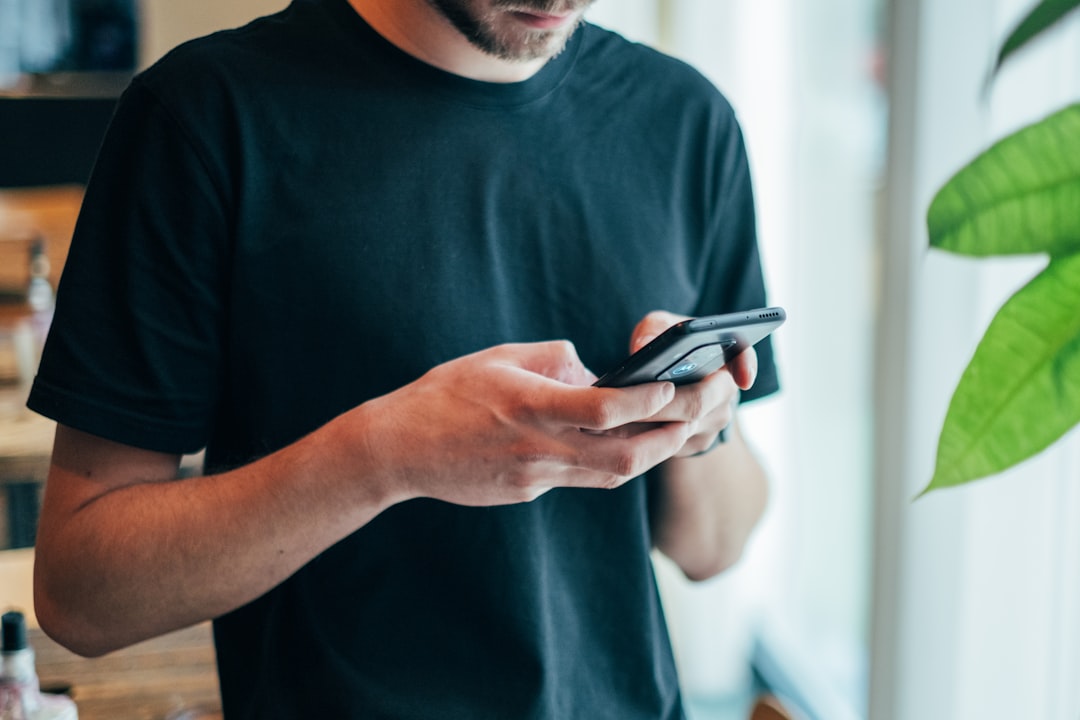
South Dakota residents face high rates of robocalls, but state laws under the Telephone Consumer Protection Act (TCPA) offer substantial protections. Despite these laws, spam and fraudulent calls persist. A lawyer for robocall laws in South Dakota recommends personal blacklist features within user-friendly apps to block unwanted calls, protect privacy, and respect communication preferences. Such apps leverage machine learning, user feedback, and TCPA regulations to combat evolving robocall tactics effectively. Regular updates and legal consultation ensure compliance with state laws.
In today's digital age, South Dakota residents, like many across the nation, face an increasing nuisance from unwanted robocalls. These automated phone calls, often carrying political or commercial messages, can be a distraction and even a source of fraud. As a solution to this growing problem, we explore an innovative app with a personal blacklist feature designed to combat these intrusions. This tool not only empowers individuals but also offers a legal perspective that aligns with South Dakota's regulations on robocalls, providing users with the means to reclaim their peace and privacy.
Understanding Robocalls in South Dakota: Laws & Rights

Robocalls have become a pervasive issue nationwide, including South Dakota, where residents often face unwanted calls from automated systems. Understanding one's rights and legal protections against these calls is essential. In South Dakota, the Telephone Consumer Protection Act (TCPA) provides significant safeguards for consumers, limiting how businesses and telemarketers can contact individuals.
The TCPA strictly regulates automated calls made to cellular phones and landlines, granting consumers the right to block certain calls. One of the key provisions allows recipients to register their phone numbers on a national "do not call" list, which significantly reduces the volume of unsolicited calls they receive. Moreover, South Dakota law forbids robocallers from making prerecorded sales or marketing calls to residents without prior express consent, offering citizens an additional layer of protection.
However, despite these laws, South Dakotans still encounter robocalls at alarming rates. In 2022, the Federal Communications Commission (FCC) reported that nearly half of all calls in the state were spam or fraudulent, with many identifying them as robocalls. This highlights the need for awareness and proactive measures. A lawyer specializing in robocall laws South Dakota can provide valuable guidance on blocking and reporting these calls effectively. They can also assist individuals who have been harmed by deceptive practices, helping them seek legal recourse and recover damages. By staying informed about their rights and leveraging available tools, South Dakota residents can better navigate this complex issue and reclaim control over their communication channels.
The Need for a Personal Blacklist Feature
In the age of relentless digital communication, South Dakota residents, like many across the nation, face an increasing onslaught of unwanted robocalls. These automated calls, often originating from telemarketers or scam artists, can be frustrating, invasive, and even dangerous. While existing tools and services offer some protection against general robocall volumes, they typically lack the specificity required to address a pressing issue: personal blacklisting. Every individual has unique communication preferences and contacts they wish to block outright—a requirement that current robocall defense mechanisms often fail to meet.
The absence of a comprehensive personal blacklist feature can lead to a patchwork solution where users manually block numbers, an approach that's time-consuming and imperfect. Moreover, with evolving call masking technologies, malicious actors find new ways to bypass existing protections. A lawyer for robocall laws in South Dakota would underscore the importance of empowering individuals to take control of their communication channels effectively. By implementing a personal blacklist feature within user-friendly applications, residents can safeguard their privacy, avoid fraudulent attempts, and minimize disruption from unwanted calls.
Consider the real-world impact: according to recent FTC data, millions of robocalls targeting South Dakota residents are reported annually, many with malicious intent. A tailored blacklist application would not only reduce this volume but also enhance user peace of mind, ensuring that their communication preferences are respected. With a personal blacklist, individuals can block specific numbers or types of calls, creating a robust defense against these persistent intrusions. Such a feature is not just a convenience; it's an essential tool for navigating the digital landscape safely and securely.
Developing an Effective Anti-Robocall Tool
In the ongoing battle against robocalls, especially in South Dakota where legislation like the Telephone Consumer Protection Act (TCPA) offers strong protections for residents, developing an effective anti-robocall tool is more crucial than ever. A personal blacklist feature within a mobile application stands out as a promising solution, allowing users to proactively manage and filter unwanted calls. This approach leverages advanced algorithms and user input to identify and block robocalls at the source, before they disrupt individuals' peace of mind or expose them to potential fraud.
For instance, an app with this capability could learn from user behavior, using machine learning models to distinguish between legitimate contacts and suspected spam. It might analyze call patterns, frequency, and even the content of messages to flag suspicious activity. For example, a sudden influx of calls from unknown numbers within a short period could trigger a warning, prompting users to exercise caution. Furthermore, integrating feedback mechanisms where users can report or confirm robocalls would enhance the app's accuracy over time. This collective effort not only improves individual protection but also enriches the broader dataset used to train and update anti-robocall systems.
However, developing such an application requires a deep understanding of both consumer privacy laws like the TCPA in South Dakota and emerging robocall tactics. Legal experts, particularly those specializing in telecommunications law, play a vital role here. They ensure that while fighting robocalls, user rights are protected, avoiding any unintended legal repercussions. By combining advanced technology with precise legal guidance, these tools can become powerful allies in the war against intrusive calls, offering users control and peace of mind in an increasingly digital world.
Integrating Legal Protections into the App
To effectively combat South Dakota robocalls, an app with a personal blacklist feature must be robust yet user-friendly, integrating legal protections at every step. Users have a right to control their communication, and according to the Telephone Consumer Protection Act (TCPA), certain types of automated calls require explicit consent. A lawyer for robocall laws in South Dakota can provide invaluable guidance on navigating these regulations, ensuring your app stays compliant. One practical integration is a clear, accessible opt-out mechanism within the app, allowing users to register their numbers for automatic blocking.
For instance, when a user identifies a call as unwanted or spam, they should be able to mark it as such directly from the app. This action triggers a notification process, alerting relevant authorities and the caller that this number is on a personal blacklist. The app must also log these interactions meticulously, preserving evidence for any legal actions that may arise. Moreover, users should receive confirmation of their opt-out status, ensuring transparency and peace of mind.
Compliance isn't merely about blocking calls; it involves protecting user data as well. Employing encryption protocols and secure storage methods for phone numbers and other personal information is crucial. In the event of a data breach or unauthorized access, having solid legal protections in place can shield both the app developers and users from potential lawsuits and financial losses. Regular audits by cybersecurity experts and updates based on evolving privacy laws are essential practices to maintain robust security measures.
Using Your Blacklist to Stop Annoying Calls
The personal blacklist feature in our South Dakota robocall blocker app is a powerful tool designed to empower users against relentless automated calls. This feature allows you to take control of your phone experience by curating a list of numbers that will be automatically blocked from reaching your device. Whether it's a persistent telemarketer or an unwanted political campaign, the blacklist acts as your shield against these nuisance calls.
To utilize this function effectively, users can manually input specific phone numbers they wish to block. This process involves adding each number individually, ensuring accuracy to avoid blocking legitimate calls from friends or family. The app's intelligence lies in its ability to learn and adapt; over time, it can identify patterns and automatically add similar numbers to your blacklist, reducing the need for constant manual adjustments. For instance, if a particular company consistently employs robocall tactics, every variation of their phone number will be blocked, preventing future distress.
Once implemented, the blacklist goes to work, filtering calls at the source. When an automated call attempts to reach your device, it is immediately intercepted and rejected, saving you from unwanted interactions. This proactive approach not only provides peace of mind but also helps to mitigate potential legal issues associated with robocalls in South Dakota. According to state laws, businesses engaging in unsolicited telemarketing calls must comply with strict regulations, including obtaining prior express consent from recipients, which a robust blacklist can help enforce.
Practical advice for users includes regular review and updates to the blacklist. As phone numbers change or new tactics emerge, adjusting your blacklist ensures ongoing protection. Engaging with a lawyer specializing in robocall laws in South Dakota can also provide valuable insights into staying ahead of evolving legal requirements and protecting yourself from potential violations.